


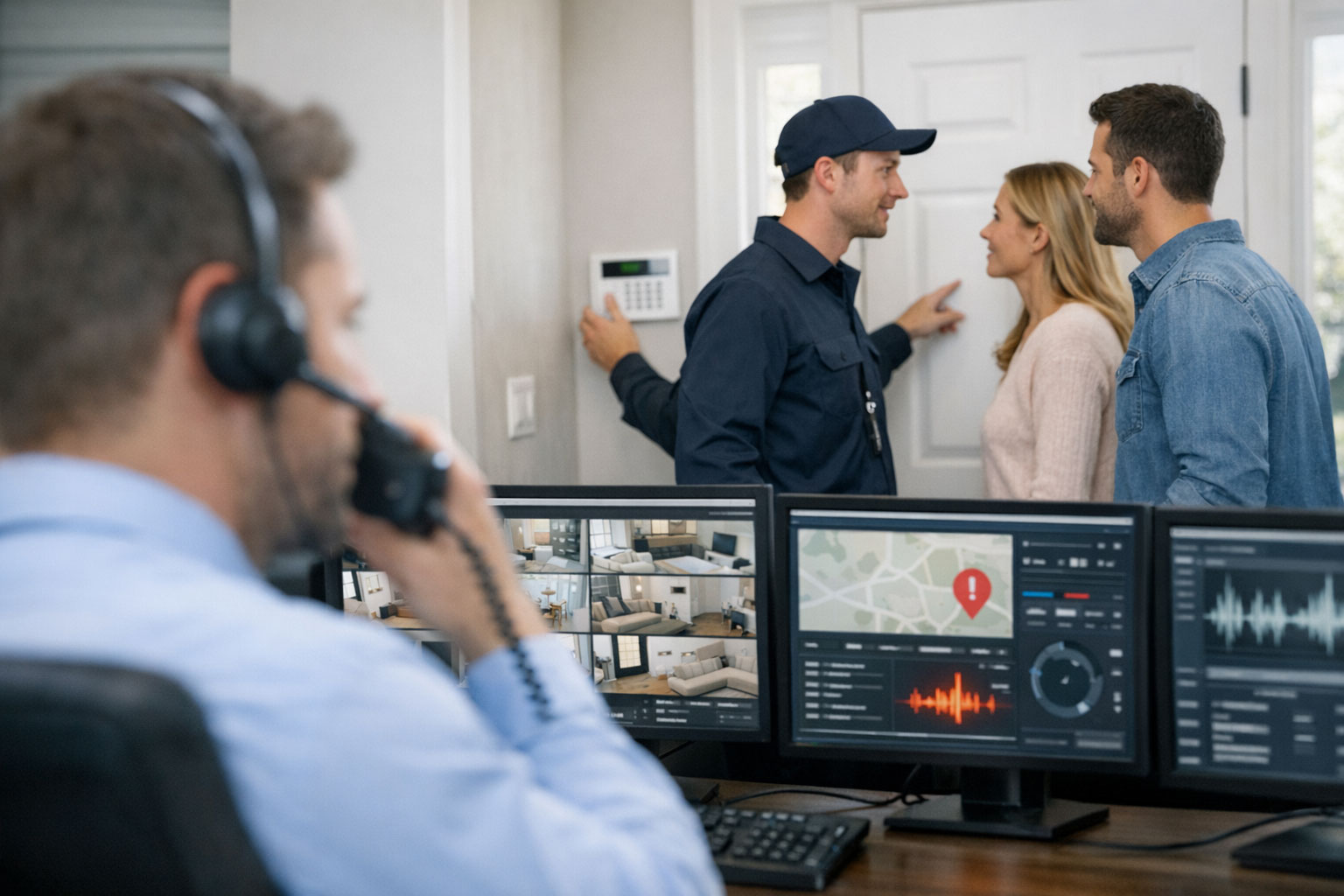
When it comes to protecting your home or business in Tucson, an alarm system is a strong first step. But the bigger decision is whether that system is monitored. A monitored alarm provider connects your security system to a professional monitoring center so that when something happens—an intrusion, a fire alarm, or a panic signal—trained agents can respond immediately and dispatch help when needed.
1) Faster response when seconds matter
If an alarm triggers on an unmonitored system, it’s typically up to you (or a neighbor) to hear the siren, check what’s going on, and call for help. With monitored protection, the monitoring center receives the signal right away and can follow a response plan—often contacting you first and then dispatching police or fire when appropriate. This is especially valuable if you’re asleep, at work, out of town, or simply unable to safely investigate.
2) Protection even when you can’t answer your phone
Life happens: you may miss a call, have your phone on silent, lose service, or be in a meeting. A monitoring team can still treat certain signals as urgent and take action based on your account instructions. That’s critical for events like glass break, forced entry, panic alarms, or smoke and heat detection where waiting may increase risk.
3) Reduced risk of loss and damage
Monitored systems don’t just deter criminals—they can shorten the time between an event and a response. Earlier dispatch can mean less time inside the property for a burglar and a better chance of preventing major property loss. For businesses, a quicker response can also reduce downtime, inventory loss, and the ripple effects of an incident.
4) Fire and life-safety monitoring beyond burglary
Many people think monitoring is only about break-ins. In reality, a professional monitored setup can include smoke, heat, and carbon monoxide detection—providing another layer of protection when you’re not there. For Tucson homeowners and business owners, that added coverage is often one of the most practical reasons to choose monitoring.
5) Better reliability with cellular and backup options
Local monitored alarm providers commonly offer communication options beyond a traditional phone line, such as cellular monitoring. Cellular signals are harder to defeat than basic landlines, and many systems include battery backup to continue operating during a power outage. This is important during storms, utility interruptions, or any situation where a burglar might attempt to cut power or lines.
6) Custom response plans for home and business
Monitoring isn’t one-size-fits-all. A good provider will help you define call lists, passcodes, emergency contacts, and dispatch rules. For a business, that may include opening/closing schedules, controlled access zones, or after-hours protocols. For a home, it might include instructions related to children arriving after school, pet considerations, or vacation mode.
7) Support with false alarm reduction
False alarms can be frustrating and may lead to fines in some jurisdictions. Monitored alarm providers can help reduce false dispatch through proper sensor placement, system configuration, and user training. Many monitoring centers also use verification steps—such as calling the premises or using enhanced verification methods—to avoid unnecessary dispatch while still taking real threats seriously.
8) Potential insurance benefits
Many insurance companies offer discounts for professionally monitored systems, especially when burglary and fire monitoring are included. The savings vary, but for some property owners the discount helps offset the cost of monitoring while also improving overall protection.
9) Peace of mind that scales with your needs
Whether you’re securing a small home, a retail storefront, or a multi-room office, monitored alarms provide consistent coverage and a clear plan of action when something triggers. As your needs change—adding doors, cameras, environmental sensors, or additional areas—monitoring can scale with your system so you don’t outgrow your protection.
