


In Tucson, where neighborhoods range from dense urban blocks to quieter suburban streets and foothill communities, homeowners often ask the same question: how important is a home security system, really? The answer usually becomes clear when you look at what a modern security system actually does. It’s not just about stopping break-ins—it’s about reducing risk, getting faster help when something goes wrong, and making your home feel consistently protected whether you’re asleep, at work, or out of town.
A security system is most valuable because it turns a private problem into a monitored event. With a professionally monitored home alarm, a triggered sensor doesn’t just make noise—it can also alert a monitoring center that can dispatch help when you can’t. That matters in real life: if you’re in the shower, your phone is on silent, you’re traveling, or you’re dealing with a situation where calling for help isn’t safe, monitored coverage creates an extra layer of protection that a stand-alone siren cannot.
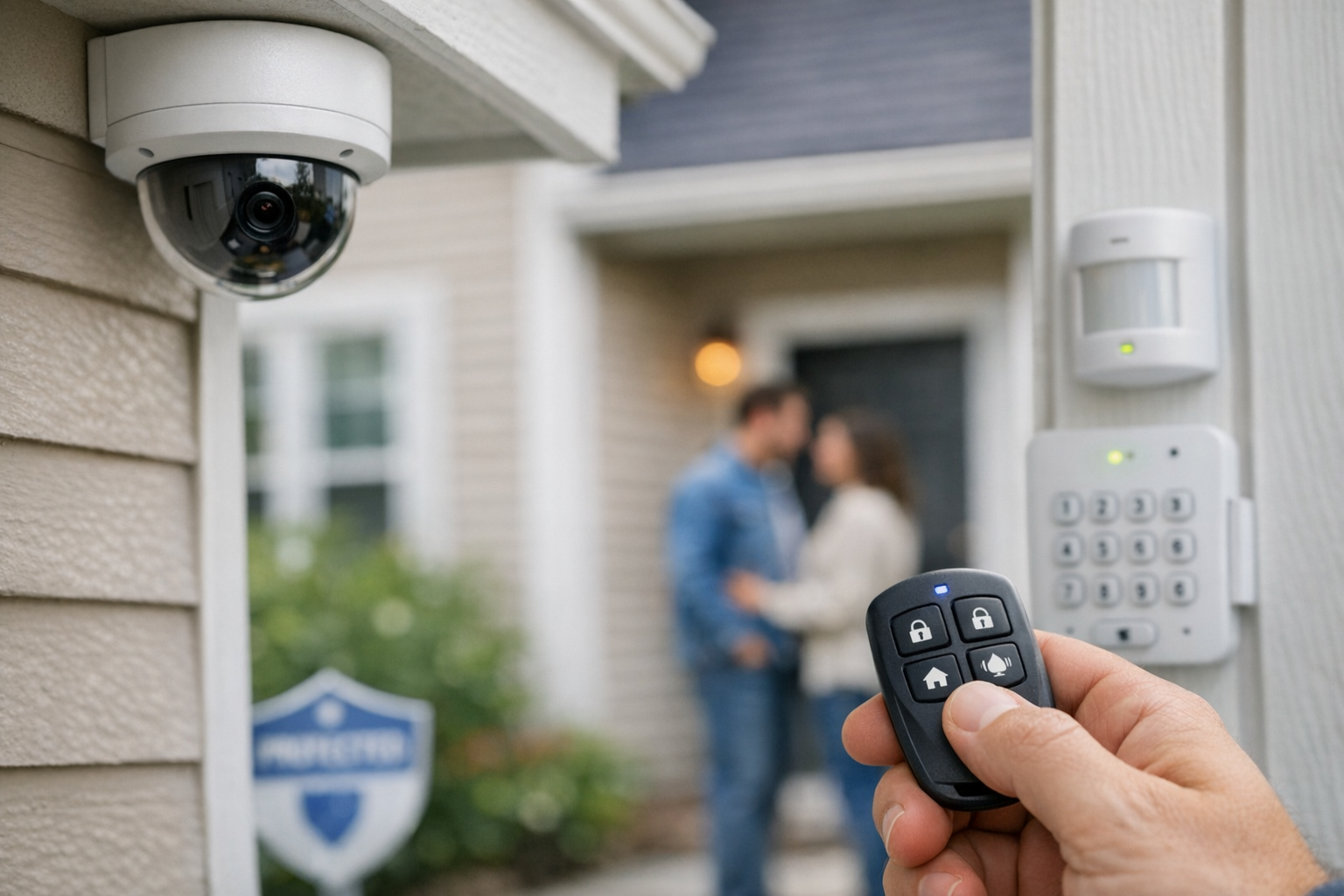
Deterrence is another major reason home security matters. Most burglary is opportunistic; criminals often look for easy entry, low visibility, and minimal risk of being caught. Visible security stickers, yard signs, and door/window sensors can change that equation quickly. Even basic systems make it harder to quietly enter through a door or window, and the possibility of a loud siren plus dispatch is often enough to push an intruder to move on.
In Tucson, many homes also have layouts that benefit from targeted protection—sliding glass doors, side gates, detached garages, and backyards that aren’t easily seen from the street. A well-designed system can cover common entry points with door/window contacts, interior motion detectors, and glass-break sensors where appropriate. This is especially helpful in homes with multiple access points or properties with limited exterior lighting.
Home security systems are also about emergencies that have nothing to do with burglary. Many homeowners choose monitored alarms because they can integrate life-safety devices like smoke and heat detectors, carbon monoxide monitoring (if applicable), and panic buttons. If a fire starts at night or while you’re away, speed matters. A monitored alert can bring a response even if no one is home to hear a smoke alarm.
Another practical benefit is awareness and control. Modern systems can allow you to arm and disarm remotely, receive real-time alerts, and check system status from your phone. That can be as simple as confirming the house is armed after you leave, or getting a notification when a door opens. For families, it can also help with routine—knowing when kids get home from school or when a side door is opened unexpectedly.
It’s also worth mentioning that a security system can reduce stress. People don’t always realize how much mental bandwidth “worry” takes until they have a system in place. When you have reliable sensors, clear alerts, and professional monitoring, you’re less likely to second-guess whether you locked the door, whether the garage was left open, or whether a noise outside is something to ignore.
For Tucson homeowners comparing options, monitored security is typically the difference-maker. Cameras are helpful for seeing what happened, but an alarm system is designed to trigger action. When it’s professionally installed and properly maintained—sensors aligned, entry/exit delays set correctly, and equipment placed to match your home’s layout—you get protection that’s consistent and easy to use day to day.
If you’ve been on the fence, consider your routine: how often your home is empty, how many doors and windows you rely on, and whether you want help automatically dispatched in an emergency. A home security system isn’t just “nice to have” anymore; it’s one of the most straightforward ways to protect your home, your belongings, and the people inside it.
