


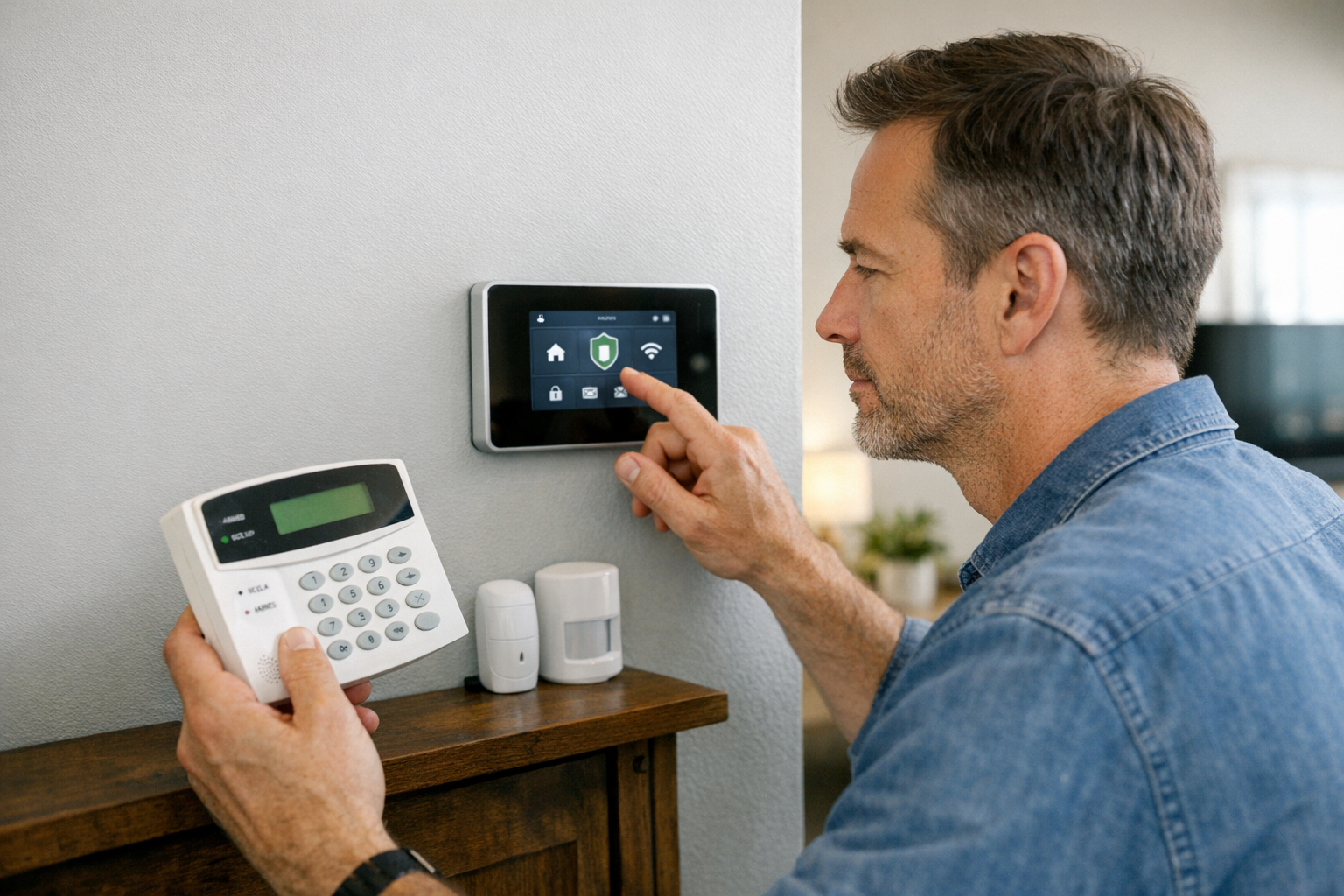
If you have a home alarm system that’s a few years old, it’s normal to wonder whether it’s still doing its job—or if it’s time to upgrade. In Tucson, where neighborhoods range from historic homes near downtown to newer builds on the outskirts, security needs can vary, but the goal is the same: dependable protection and fast response when something isn’t right. Here are some practical ways to tell if your current system is worth upgrading.
Your system isn’t monitored (or monitoring is unreliable). A siren is helpful, but professional monitoring is what turns an alarm into an actual response. If your system is “local only,” depends on you noticing an alert, or sends notifications inconsistently, you may be missing the biggest advantage modern systems provide. Monitored alarms can dispatch help even if you’re asleep, out of town, or your phone is off.
You’re relying on a landline connection. Many older systems still communicate through a phone line. That creates two problems: landlines are less common, and they can be cut. Upgrading to cellular monitoring (often with optional backup paths) makes your alarm more resilient and keeps it connected even if internet service goes down.
Frequent false alarms or “trouble” alerts. If you’re dealing with random beeping, repeated low-battery warnings, sensors that don’t trigger consistently, or false trips from doors that “sometimes” register, your system may be aging out. Worn contact sensors, outdated motion detectors, and old panels can become more trouble than they’re worth. An upgrade can reduce false alarms and improve reliability—especially important if you want to avoid unnecessary dispatches.
Your panel or keypad is outdated or hard to use. If the system is confusing, family members won’t use it correctly. A modern touchscreen keypad, cleaner user interface, and straightforward arming options can make daily use easier. If you have renters, kids, or frequent guests, usability becomes a real security issue, not just a convenience.
You can’t control it remotely. Many homeowners want to arm/disarm from a phone, check system status, or receive real-time alerts. If your current setup doesn’t support remote control, you’re missing visibility—like confirming the system is armed after leaving or seeing when a door was opened. Remote access also helps businesses manage openings/closings and track events without being on-site.
You’ve renovated, expanded, or changed how you use your space. New doors, replaced windows, a garage conversion, an added patio entry, or a home office with equipment can all change your risk profile. If your coverage doesn’t match today’s layout, upgrading sensors and zones can close gaps. Many older systems were designed around the original floor plan and may not fully protect new access points.
You want smarter protection, not just louder alarms. Upgrades aren’t only about new gadgets—they can improve how well you detect real threats. New motion sensors can reduce triggers from pets. Glass break detectors can cover multiple windows in a room. Doorbell cameras and indoor/outdoor cameras can add verification for events. Pairing those with monitored response can speed up decision-making when seconds matter.
There’s no backup power plan you trust. Tucson storms and power interruptions happen. If your system’s battery no longer holds a charge, or you’re unsure how long it lasts, that’s a vulnerability. Modern panels and communicators often include better battery management and clearer alerts so you’re not guessing whether you’re protected during an outage.
Your system is no longer supported. If replacement parts are hard to find, your installer no longer services the brand, or the manufacturer has discontinued key components, it’s worth considering an upgrade. A supported system is easier to maintain, repair, and expand—and you’re less likely to be forced into a rushed replacement later.
If you’re seeing one or more of these signs, an upgrade may give you more dependable coverage and better day-to-day control. A local Tucson alarm company can evaluate your existing equipment, identify weak points, and recommend options that fit your home and budget—especially if you’re ready to move to professional monitoring for consistent, rapid response.
